Lưu trữ MadeInVietnam - Disposable Wooden Cutlery

abd6d29fac9a7a21da75a9b51ff468fa-1.jpg

15 December, 2025
Overview

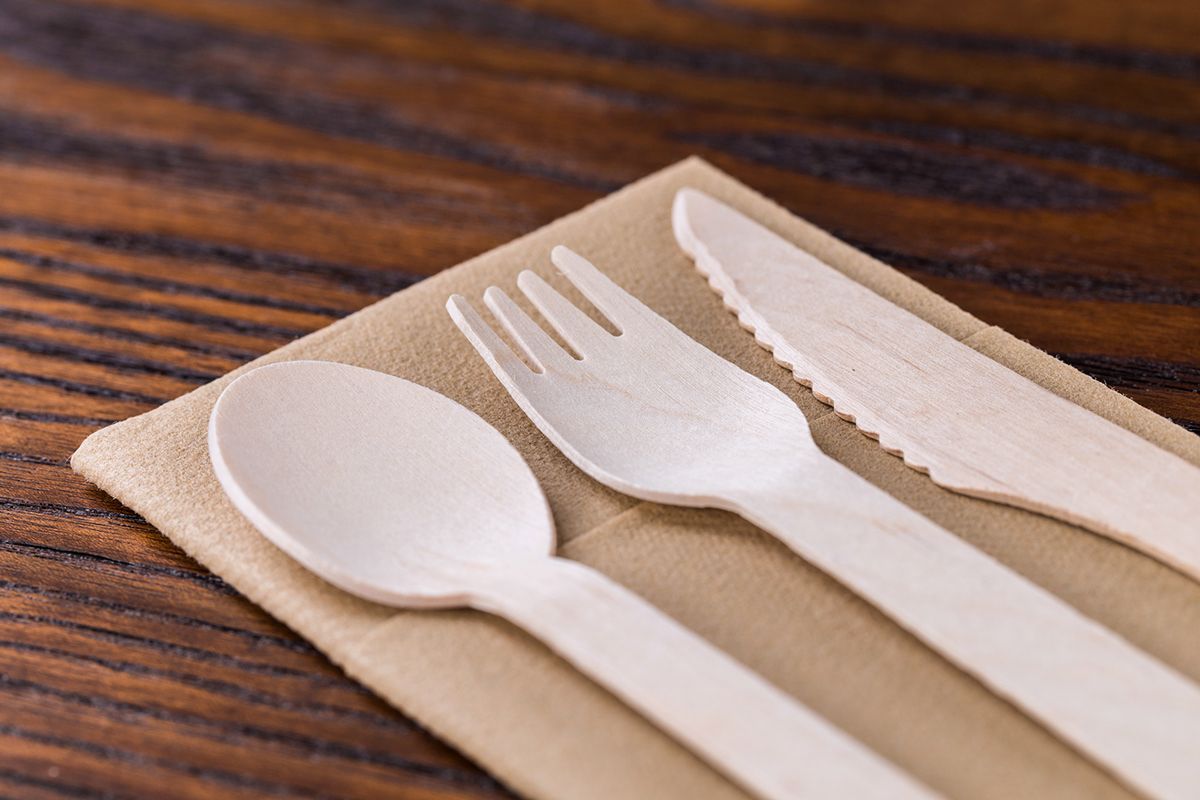
As the global foodservice industry shifts toward eco-friendly solutions, disposable wooden cutlery has become one of the most popular alternatives to single-use plastics. Made from renewable, biodegradable materials, wooden utensils offer both practicality and sustainability—without compromising the dining experience.

Among the many options available today, cutlery made from Vietnamese Magnolia Conifera wood stands out for its strength, smooth finish, and natural aesthetic. Below is a comprehensive look at the most common types of disposable wooden cutlery and how each one is best used.

1. Disposable Wooden Spoon 160mm – The Versatile All-Rounder

The 160mm wooden spoon is a full-size, comfortable utensil ideal for a broad range of meals. Crafted from 100% Magnolia Conifera wood, it features a smooth finish, sturdy structure, and excellent heat resistance.

Best for:

  • Rice, soup, porridge, oatmeal
  • Mashed potatoes, pudding
  • Takeaway meals and hot dishes

Certified to ISO22000, FSC, and BSCI standards, this spoon is perfect for restaurants, cafeterias, catering companies, supermarkets, and delivery programs that prioritize hygiene and sustainability.

2. Disposable Wooden Spoon 110mm – The Café Favorite

Compact and lightweight, the 110mm spoon is widely used in coffee shops and beverage kiosks. It handles both hot and cold drinks with ease, making it an excellent natural replacement for plastic stirrers.

Best for:

  • Stirring coffee, tea, and espresso
  • Desserts, yogurt, pudding, flan
  • Ice cream and small takeaway treats

Its small size makes it highly efficient for high-volume service, especially at cafés, convenience stores, and beverage counters.

3. Disposable Wooden Spoon 95mm – The Dessert Specialist

This mini spoon is all about presentation. At 95mm, it’s cute, compact, and perfect for sweet treats or small servings. Bakeries and dessert shops love it for its clean, natural appearance.

Best for:

  • Ice cream, cakes, pastries
  • Desserts, mousse, yogurt
  • Samples, toppings, tasting portions

It remains fully compostable and splinter-free, offering a safe and beautiful way to serve desserts in both retail and catering environments.

4. Disposable Wooden Fork 160mm – Strong, Sturdy, Reliable

Designed for full meals, the 160mm wooden fork is strong enough to handle heavier dishes without bending. Its rigidity and smooth finish make it the go-to utensil for both dine-in and takeaway services.

Best for:

  • Pasta, spaghetti, noodles, pho
  • Salads, rice dishes
  • French fries, vermicelli

Restaurants, noodle shops, supermarkets, and meal prep services frequently choose this fork as a natural replacement for plastic.

5. Disposable Wooden Fork 95mm – Perfect for Snacks & Tasting

Petite and easy to handle, the 95mm wooden fork is ideal for appetizers, fruits, and sampling programs. Its elegant look makes it popular for events and food displays.

Best for:

  • Fruit cups, mini salads
  • Desserts, flan, pudding
  • Appetizers, cheese, tapas, canapés
  • Sampling counters & tasting events

This fork is a favorite for buffets, bakeries, cafés, and catering setups due to its hygienic, eco-friendly, and visually appealing design.

6. Disposable Wooden Knife 165mm – Durable & Functional
The 165mm knife is designed for everyday foodservice use. Its sturdy build allows it to cut through common dishes with ease while maintaining a safe, smooth finish.

Best for:

  • Sausages, bacon, sandwiches
  • Cheese, butter
  • Brownies, sponge cakes, pastries

A great choice for restaurants, catering services, supermarkets, and delivery meals looking for plastic-free alternatives.

7. Disposable Wooden Knife 165mm (Sharpened) – For Tougher Foods

This upgraded version features a sharpened blade that enhances cutting performance. It handles denser, fibrous foods without breaking and offers a more premium feel.

Best for:

  • Meat, bacon, sausages
  • Dense pastries, brownies
  • Sushi rolls, sandwiches
  • Catering and buffet service

It is strong, reliable, and fully compostable, making it ideal for both casual foodservice and upscale event setups.

8. Disposable Wooden Spork 160mm – The Ultimate Multi-Tool

The spork combines the functionality of both spoon and fork, making it one of the most versatile options in disposable cutlery. With a full-size 160mm length, it’s comfortable and convenient to use.

Best for:

  • Rice dishes, noodles, vermicelli 
  • Pasta, spaghetti, salads 
  • Soups and takeaway meals 

This hybrid utensil is widely used in restaurants, cafés, buffets, meal kits, and ready-to-eat programs that value practicality and sustainability.

Why Wooden Cutlery?

Across all sizes and styles, Magnolia Conifera wooden utensils share several core benefits:

  • Eco-friendly: Compostable, biodegradable, and plastic-free
  • Food-safe: Suitable for hot and cold foods
  • Smooth surface: Splinter-free for comfortable use
  • Durable performance: Strong enough for both light bites and full meals
  • Premium natural look: Elevates presentation for dine-in, takeaway, and events
Conclusion

Whether you’re running a café, managing a supermarket’s ready-to-eat section, supplying catering services, or designing eco-friendly takeaway packaging, disposable wooden cutlery offers a clean, sustainable, and aesthetically pleasing solution.

From full-sized spoons and forks to mini dessert utensils, knives, and sporks, each type is designed to meet a specific foodservice need while supporting a greener future.

💬 Get in Touch
     At KeGo, we manufacture and supply a wide range of disposable wooden cutlery, all produced in compliance with certifications such as ISO22000, FSC FM/COC, BSCI, and HACCP. If you’re interested in our products or want to learn more about sustainable wooden packaging, feel free to reach out! I’ll be happy to assist you with any inquiries.

Ms. Quinn – Sales Executive
📧 Email: contact@kego.com.vn
📞 Mobile: (+84) 986 615 346

KEGO COMPANY LIMITED
🏢 Room 603, Kim Anh Building, Lane 78, Duy Tan Street, Cau Giay District, Hanoi, Vietnam
☎ Office: (+84 24) 3222 2333 | Fax: (+84 24) 3782 1616
🌐 www.kego.com.vn
Thiet-ke-chua-co-ten-1280x720.png

27 November, 2025
Overview

As global demand for eco-friendly packaging continues to rise, bagasse—the fibrous by-product of sugarcane processing—has quickly become one of the most important alternatives to plastic, foam, and traditional paper-based materials. Once treated as a low-value waste product, sugarcane bagasse is now a key raw material driving the shift toward sustainable, compostable food packaging.

This article explores the science behind bagasse, its global supply chain, and how it is transformed into high-performance food packaging products.

What Is Bagasse?

Bagasse is the dry, pulpy residue left after sugarcane stalks are crushed to extract juice. 

Chemical Composition of Bagasse

Scientifically, bagasse is composed of:

  • 40–60% cellulose (strength and rigidity)
  • 20–30% hemicellulose (flexibility and bonding)
  • ~20% lignin (natural binder and heat resistance)

This unique combination allows bagasse to be molded into durable, smooth, and food-safe packaging without the need for synthetic binders or chemical reinforcements. Cellulose provides strength, hemicellulose contributes flexibility, and lignin acts as a natural binder—reducing the need for artificial glues or chemical reinforcements.

Bagasse is mostly found in countries which are producing large quantities of sugar, for example, Brazil, Vietnam, China, or Thailand. These nations produce millions of tons of bagasse annually, providing a stable, affordable raw material supply for manufacturers of sustainable food packaging.

Why Bagasse Is Ideal for Food Packaging

The rapid growth of bagasse packaging is driven by its functional and environmental advantages:

1. Heat & Oil Resistance

Bagasse can withstand temperatures up to 120°C, making it ideal for hot meals, soups, and oily foods.

2. Strong Yet Lightweight

High cellulose content provides strength without added weight.

3. Fully Compostable

Bagasse naturally decomposes within 45–90 days, depending on composting conditions—far faster than plastic or Styrofoam.

4. Zero Deforestation

Because bagasse is a sugarcane by-product, it does not require cutting trees and helps upcycle agricultural waste.

How Bagasse Food Packaging Is Made (Step-by-Step)

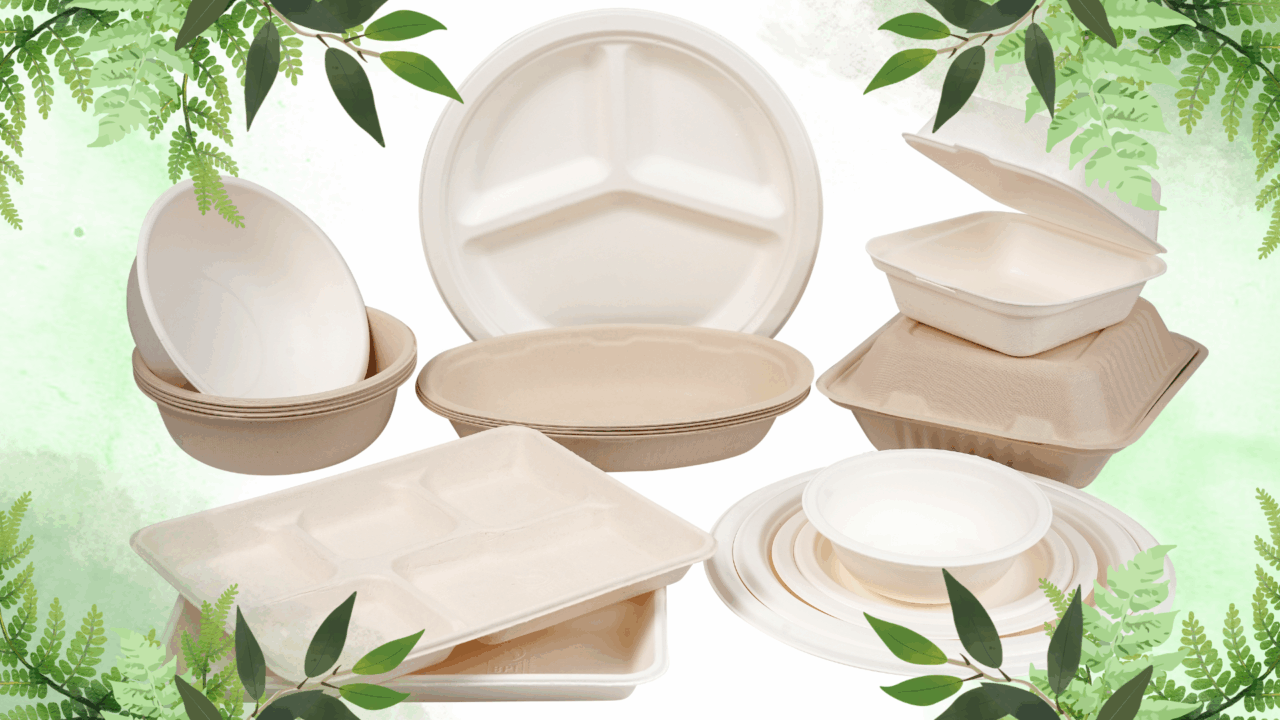
Transforming sugarcane residue into food-grade packaging requires a combination of pulping, molding, and precision engineering. Below is the full production workflow:

1. Collection

Bagasse is collected directly from sugar mills after juice extraction.

2. Cleaning & Depithing

Raw bagasse contains long fibers and soft pith (~30%).
Depithing removes impurities and improves: product strength, surface smoothness, pulp quality and reduced chemical usage

3. Pulping

Fibers are processed using mechanical, chemical, or chemi-mechanical pulping to create a uniform pulp slurry.

4. Refining

The pulp is refined to optimize fiber length, bonding quality, and texture.

5. Thermoforming (Molding)

The pulp mixture is poured into precision molds shaped like: plate, bowl, tray, clamshell box,…

High heat (160–200°C) and pressure shape the final product.

6. Drying & Hot-Press Finishing

A second hot-press step enhances: structural rigidity, smoothness
, water and oil resistance and dimensional accuracy

7. Trimming & Quality Control

Edges are trimmed, and products undergo: strength testing, leakage and oil resistance tests, hygiene inspections

8. Sterilization & Packaging

Finished items are UV-sterilized and packed in hygienic cartons for distribution to restaurants, retailers, and food service industries.

Conclusion

Bagasse is more than an eco-friendly alternative—it is a scientifically proven, economically scalable, and environmentally responsible material for the future of sustainable food packaging. With strong global supply, excellent material properties, and increasing consumer demand for green products, bagasse will continue to lead the shift toward a circular, low-waste packaging economy.

If your business is exploring natural, compostable, and high-performance packaging solutions, bagasse is one of the most powerful options available today.

💬 Get in Touch
     If you’re interested in our products or want to learn more about sustainable wooden packaging, feel free to reach out! I’ll be happy to assist you with any inquiries

Ms. Quinn – Sales Executive
📧 Email: contact@kego.com.vn
📞 Mobile: (+84) 986 615 346

KEGO COMPANY LIMITED
🏢 Room 603, Kim Anh Building, Lane 78, Duy Tan Street, Cau Giay District, Hanoi, Vietnam
☎ Office: (+84 24) 3222 2333 | Fax: (+84 24) 3782 1616
🌐 www.kego.com.vn

ChatGPT-Image-Nov-17-2025-02_56_02-PM-1280x853.png

18 November, 2025
Overview of the Take-away Food Market

In 2024, the global take-away food market was valued at around USD 150 billion and is expected to reach USD 300 billion by 2032, with a CAGR of 9%.

The market is growing rapidly due to:

  • The shift from dine-in to convenient food options

  • The surge in online ordering and food delivery

  • Changing post-pandemic consumer habits

This transformation is shaping how restaurants operate and how suppliers must adapt to serve the evolving food service industry.

Read more: https://www.businessresearchinsights.com/market-reports/takeaway-food-market-118053

Why Is the Take-away Food Market Growing?
1. Busy lifestyles & urbanization

As urban populations expand and working hours increase, people rely more on quick, ready-to-eat meals. Take-away options perfectly match fast-paced daily routines.

2. Expansion of online ordering & delivery platforms

Mobile apps, cloud kitchens, dark kitchens, and delivery services have made take-away food more accessible, faster, and more efficient than ever.

3. Heightened focus on health, hygiene & food safety

Post-pandemic consumers prioritize:

  • Clean preparation

  • Safe packaging

  • Contactless delivery

These expectations reinforce the long-term growth of the take-away segment.

➡️ Together, these forces indicate a structural change in global food consumption—not just a temporary trend.

Supplier Strategy for the Food Service Industry

For packaging manufacturers, equipment suppliers, and disposable product companies, the rise of take-away food presents long-term opportunities. Key strategies include:

1. Adjusting product strategy

Suppliers need to ensure their products are:

  • Lightweight

  • Stackable

  • Leak-resistant

  • Suitable for delivery and transport

  • Optimized for cloud kitchen workflows

2. Compliance & export readiness

As supply chains expand globally, products must meet:

  • International food safety standards

  • Packaging regulations

  • Export documentation and quality requirements

3. Sustainability as a competitive advantage

Eco-friendly materials (wood, bagasse, paper) and certifications have become essential.
Suppliers that invest in sustainable packaging will stand out and win long-term contracts.

4. Understanding operator needs

Knowledge of how restaurants, take-away shops, and virtual kitchens operate helps suppliers design more practical and cost-saving solutions.

5. Cost efficiency & scalability

Because take-away margins are often tight, suppliers who deliver:

  • Competitive prices

  • Stable quality

  • Scalable production
    …will become preferred partners.

KeGo – Your Partner in Eco-friendly Food Packaging Solutions

At the Vietnam market level, KeGo proudly represents a full ecosystem of eco-friendly disposable food packaging for the food service and take-away sectors.

Our product lines include:
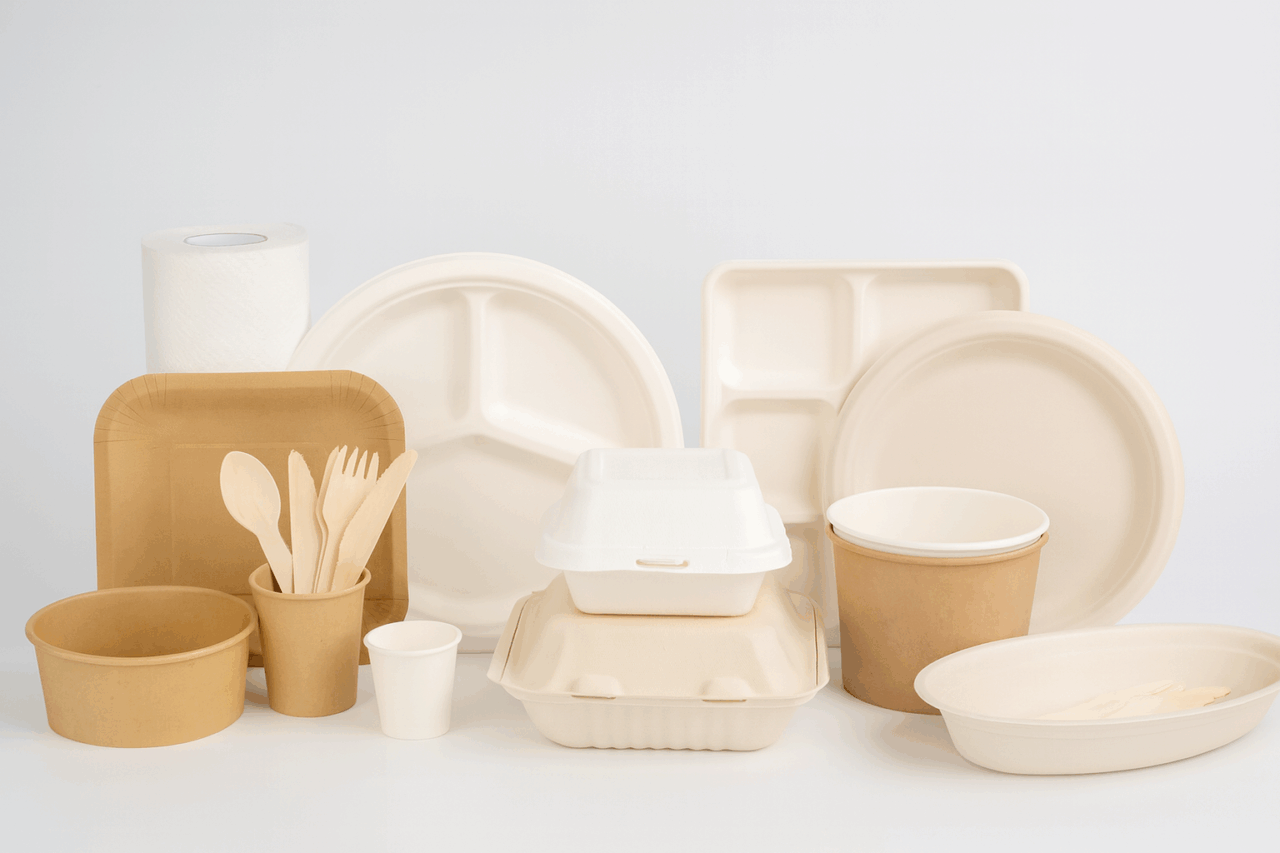
  • Wooden cutlery (forks, knives, spoons)

  • Paper cups, paper bowls, paper plates

  • Bagasse products (sugar-cane fiber)

  • Tissues and napkins

All products are 100% produced in Vietnam, using environmentally friendly materials and meeting global export standards.

Certified & Sustainable Wooden Cutlery

KeGo’s wooden cutlery line holds:

  • FSC COC (Chain of Custody)

  • FSC FM (Forest Management)

These certifications ensure:

  • Responsible forest harvesting

  • Traceable, sustainable production

  • International compliance for food contact safety

With this eco-friendly portfolio, KeGo supports food service operators in meeting take-away demand while aligning with global sustainability requirements.

Conclusion

The take-away food market is reshaping the food service industry worldwide. To stay competitive, suppliers must:

  • Adapt their product strategies

  • Prioritize sustainability

  • Ensure compliance

  • Understand the operational needs of take-away formats

With KeGo as your partner, businesses can access eco-friendly, export-ready, and high-quality packaging solutions that support growth in the take-away sector—both in Vietnam and globally.

💬 Get in Touch

If you’re interested in our products or need support choosing sustainable packaging, feel free to reach out — I’m happy to assist!

Ms. Quinn – Sales Executive
📧 Email: contact@kego.com.vn
📞 Mobile: (+84) 986 615 346

KEGO COMPANY LIMITED
🏢 Room 603, Kim Anh Building, Lane 78, Duy Tan Street, Cau Giay District, Hanoi, Vietnam
☎ Office: (+84 24) 3222 2333 | Fax: (+84 24) 3782 1616
🌐 www.kego.com.vn