Lưu trữ disposable wooden cutlery - Disposable Wooden Cutlery

23d75be20bb7f92e3fd00e356a1f45f2.jpg

19 December, 2025
Overview

As the demand for eco-friendly foodservice products grows, disposable wooden cutlery has become a leading choice for restaurants, cafés, supermarkets, and retail brands. However, choosing the right packaging style is just as important as selecting the cutlery itself. The way your wooden forks, spoons, and knives are packed can affect hygiene, logistics, branding, and the overall customer experience.

Below is a comprehensive guide to the most common packaging options for disposable wooden cutlery—standard bulk packing, supermarket/retail packing, and kraft paper wrapping.

1. Standard Bulk Packing – Cost-Effective & Efficient

Standard packing is the most widely used option for foodservice, distributors, wholesalers, and catering companies. This format focuses on efficiency, hygiene, and affordability.

What It Looks Like
  • Bulk quantities such as 1000 / 2000 / 5000 / 10,000 pcs per carton
  • Polybag or paper liner inside the carton
  • No individual wrapping
  • Cutlery neatly aligned for easy counting and repacking
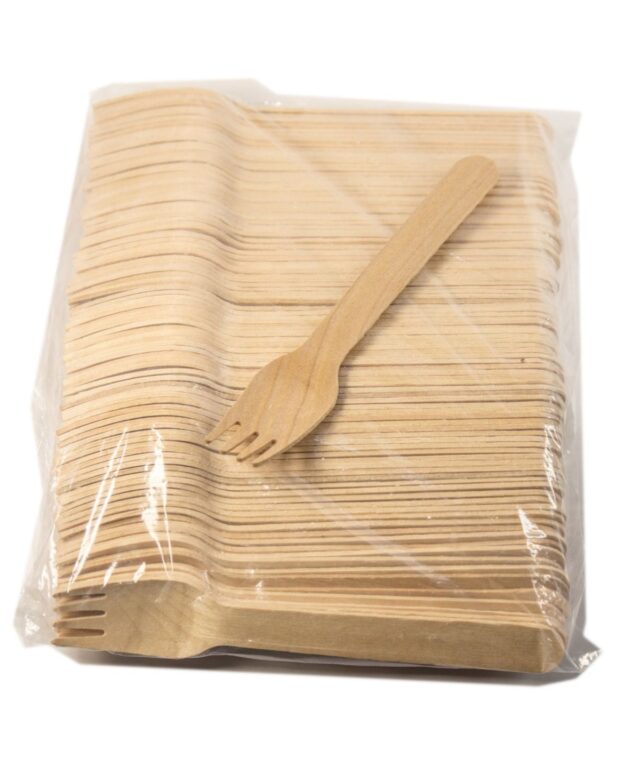
    100 pcs per 1 PE bag
    Best For
    • Restaurants, cafés, canteens
    • Catering companies & meal prep kitchens
    • Foodservice distributors
    • Large-scale takeaway and delivery programs
    Key Benefits
    • Lowest cost per unit
    • Saves storage space
    • Fast and convenient for operational use
    • Ideal for high-volume consumption

    Bulk packing is the go-to choice when speed and cost efficiency matter most.

    2. Supermarket & Retail Packing – Ready for Shelves

    Retail-ready packaging is designed to catch attention, protect the product, and provide a convenient experience for end consumers. This style is especially popular for supermarket chains, convenience stores, and online retail platforms.

    What It Looks Like
    • Small packs of 25, 50, or 100 pieces
    • Transparent polybags, kraft bags, or paper boxes
    • Optional hang holes for display racks
    • Printed labels with branding, size charts, and certifications
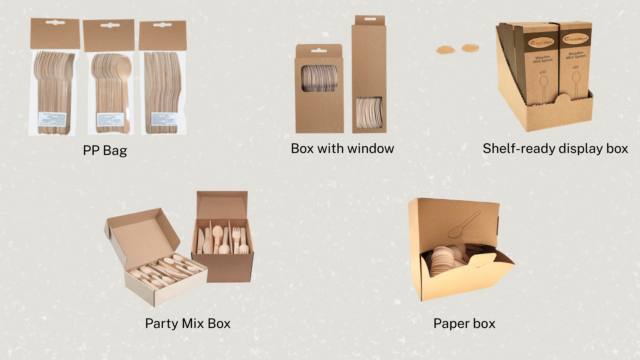
      Popular Retail Packaging Formats for Disposable Wooden Cutlery
      Best For
      • Supermarkets & grocery stores
      • Convenience stores
      • E-commerce platforms (Amazon, Shopee, Lazada)
      • Eco-friendly retail brands
      • Gift sets or household kitchen supplies
      Key Benefits
      • Attractive, retail-friendly presentation
      • Easy for customers to carry and store
      • Allows custom branding, logos, and product information
      • Great for promoting sustainability to consumers

      Retail packaging adds value for brands aiming to stand out in competitive markets.

      3. Kraft Paper Wrapping – Hygienic & Eco-Focused
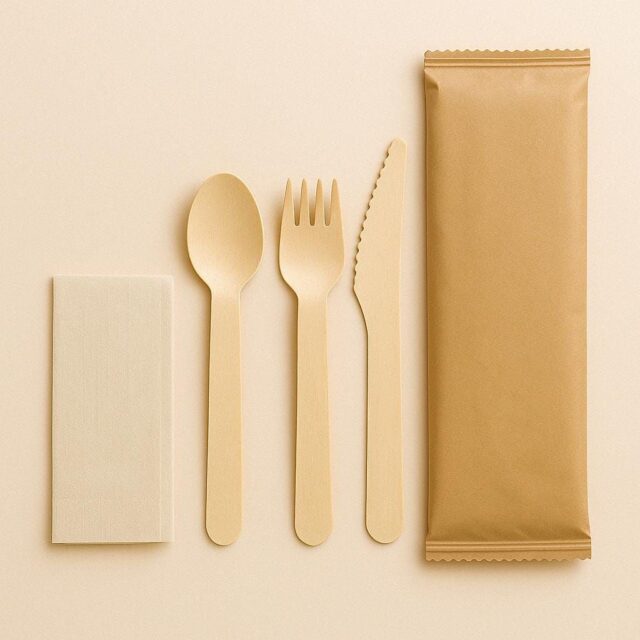
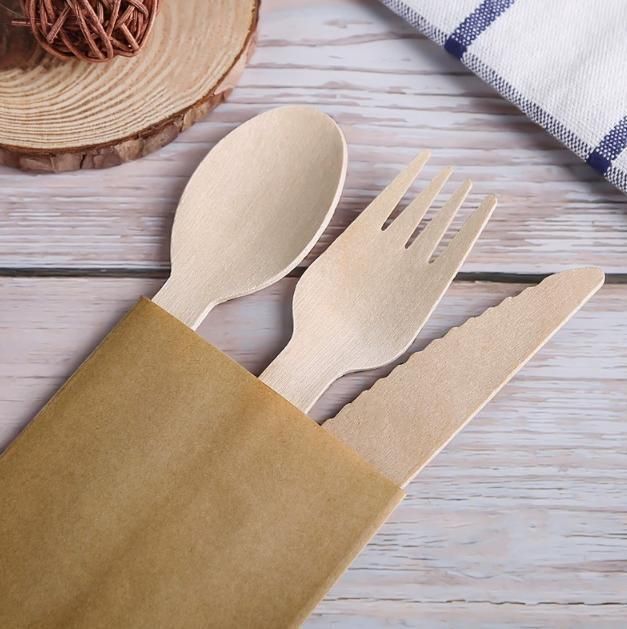
      Wooden Cutlery Set Wrapped in Kraft Paper

      Kraft packaging is becoming increasingly popular thanks to its natural appearance, hygiene protection, and compatibility with sustainability trends. This format is perfect for businesses that want elevated presentation while staying plastic-free.

      What It Looks Like
      • Individual cutlery pieces wrapped in kraft paper sleeves
      • Full sets (fork + spoon + knife + napkin) wrapped in kraft pouches
      • Custom printing available: logo, QR code, or brand message
      Best For
      • Cafés, hotels, bakeries
      • Airlines, catering services, and meal box programs
      • Premium takeaway and delivery brands
      • Eco-conscious restaurants and events
      Key Benefits
      • Hygienic, sealed, and easy to handle
      • 100% recyclable and compostable
      • Premium, clean, natural presentation
      • Convenient for grab-and-go and delivery meals

      Kraft wrapping is the ideal choice when both aesthetics and hygiene are top priorities.

      Choosing the Right Packaging for Your Business
      Packaging Style Best Use Case Main Advantages
      Standard Bulk Packing Restaurants, foodservice distributors Most cost-effective; ideal for high-volume use
      Retail Packing Supermarkets & consumer sales Attractive, branded, ready for shelves
      Kraft Paper Wrapping Premium cafés, hotels, catering Hygienic, eco-friendly, visually appealing

      Each packaging style serves a unique purpose:Think about your market, customer expectations, logistics, and sustainability goals when choosing the right option. Many businesses even combine multiple packing styles for different product lines.

      💬 Get in Touch
           At Ke Go, we not only manufacture wooden cutlery but also offer a wide range of packaging options for our customers. If you’re interested in our products or want to learn more about sustainable wooden packaging, feel free to reach out! I’ll be happy to assist you with any inquiries.

      Ms. Quinn – Sales Executive
      📧 Email: contact@kego.com.vn
      📞 Mobile: (+84) 986 615 346

      KEGO COMPANY LIMITED
      🏢 Room 603, Kim Anh Building, Lane 78, Duy Tan Street, Cau Giay District, Hanoi, Vietnam
      ☎ Office: (+84 24) 3222 2333 | Fax: (+84 24) 3782 1616
      🌐 www.kego.com.vn


3357e566f8b275c6040c30290e54fe91.jpg

9 December, 2025
Overview

Tissue paper is an everyday essential—present in homes, restaurants, offices, hospitals, and anywhere hygiene matters. But with so many options available, choosing the right one can be surprisingly challenging. At KeGo, we believe that high-quality tissues make a real difference in comfort, cleanliness, and customer experience.

To help you make confident decisions, here’s a clear guide to understanding how tissue paper is made, why quality varies, and how to select the right product.

What Is Tissue Paper Made From?

Premium tissue paper begins with the quality of its raw materials. Most tissues on the market use one of the following:

Virgin Pulp

Made from fresh wood fibers, this type delivers:

  • Exceptional softness
  • High whiteness
  • Strong durability
  • Excellent absorbency

This is the standard for high-end tissue products.

Recycled Pulp

Produced from recycled paper materials, offering:

  • Eco-friendly benefits
  • Slightly rougher texture
  • Lower strength depending on processing                                                                        

Mixed Pulp

A balanced blend of virgin and recycled materials—ideal for brands aiming to combine performance with sustainability.

Some specialty tissues also include gentle lotions, aloe extracts, or antibacterial properties to enhance comfort and hygiene.

Types of Tissue Paper and Their Uses

Each type of tissue serves a distinct purpose. Here are the most common categories used across daily life and businesses:

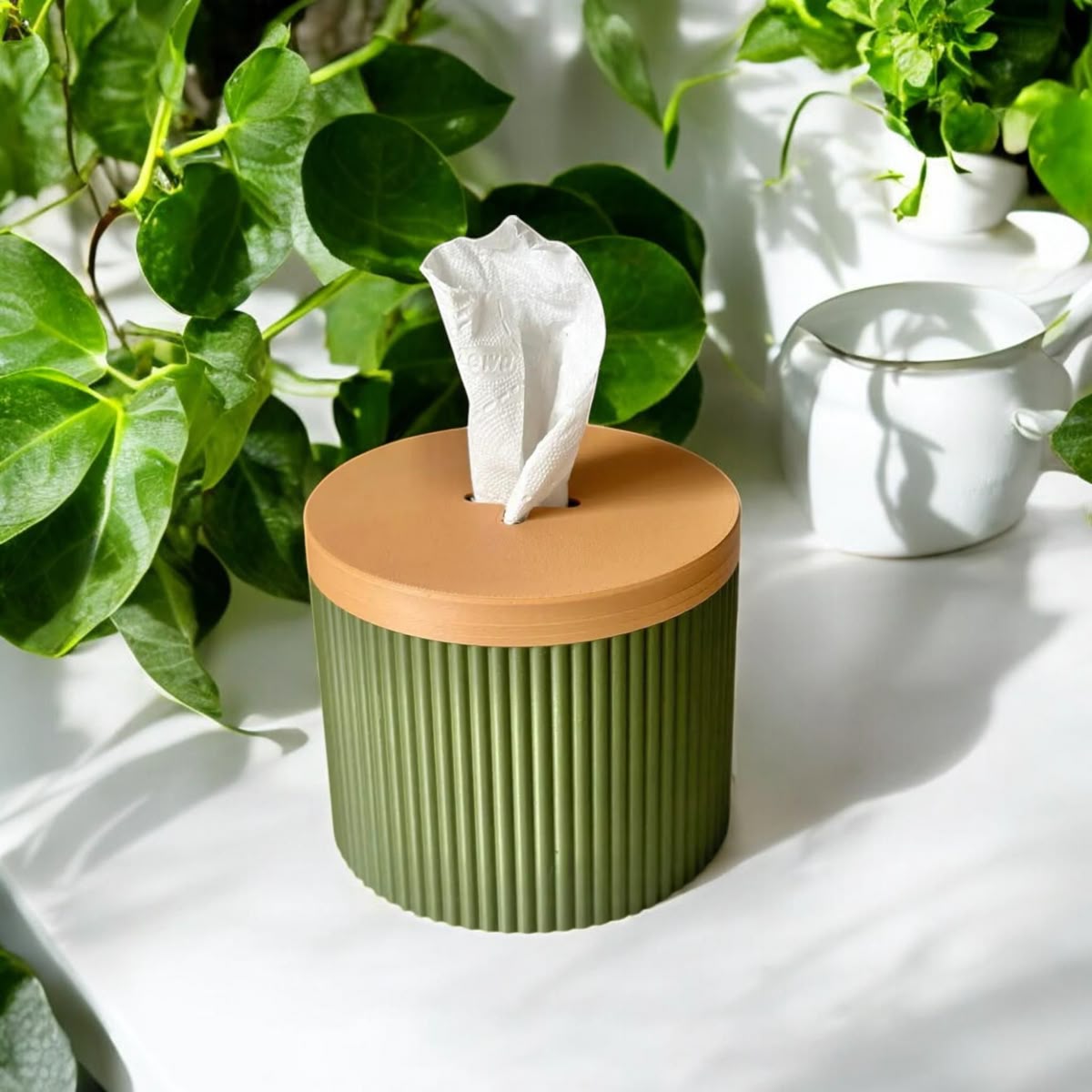
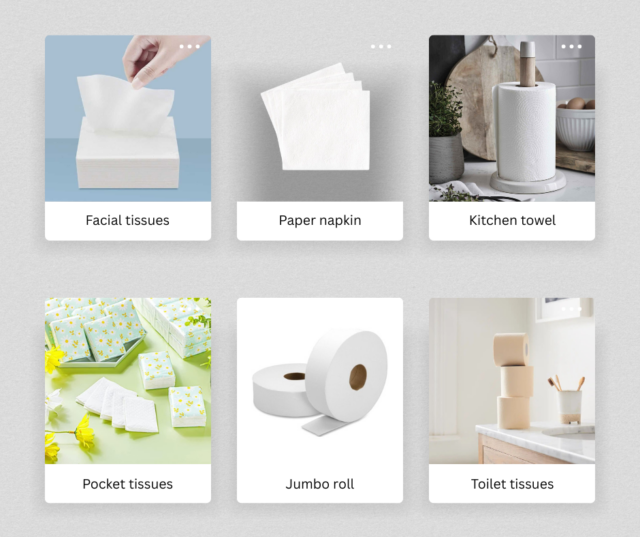
  • Facial Tissue

Soft, gentle, and ideal for skincare, makeup removal, or cold seasons.

  • Toilet Tissue

Designed to dissolve quickly in water while maintaining softness and strength—safe for plumbing systems.

  • Paper Towels

Highly absorbent, durable, and perfect for wiping surfaces, cleaning spills, or use in professional kitchens.

  • Napkins

Suitable for dining, ranging from simple everyday napkins to premium embossed napkins for restaurants and events.

  • Pocket Tissues

Compact, convenient, and travel-friendly.

Various tissue and paper products including facial tissues, paper napkins, kitchen towels, pocket tissues, jumbo rolls, and toilet tissues displayed in a grid layout.
A curated collection of essential tissue and paper products for home and commercial use
Why Do Tissues Have Different Strength and Absorbency Levels?

Not all tissues are created equal. Their performance depends on several technical factors:

1. Fiber Source

  • Long fibers (from softwood trees) increase strength.
  • Short fibers (from hardwood trees) enhance softness.

A well-balanced fiber mix produces tissues that feel soft yet remain durable.

2. Ply Count

The number of layers directly affects quality.

  • 1-ply: economical
  • 2-ply: standard for daily use
  • 3-ply: premium comfort, superior absorbency

3. Manufacturing Technology

Processes such as creping and embossing create texture, thickness, and a higher absorption capacity. Premium manufacturers invest heavily in modern machinery to ensure consistent quality.

4. Additives & Treatments

Lotion, moisturizer, or antibacterial coatings may be added depending on the product’s purpose.

How to Choose Quality Tissue Paper
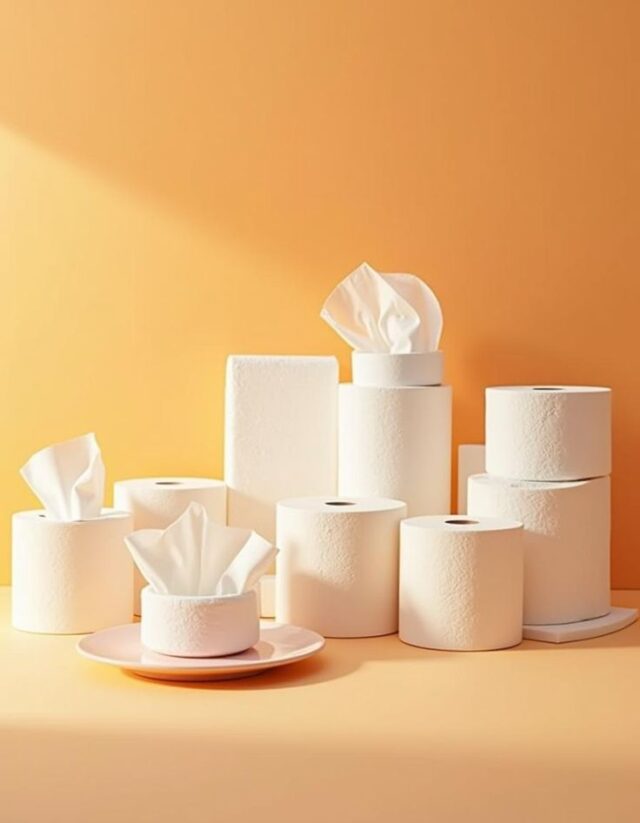
Assorted white tissue and paper rolls arranged on a warm orange background
A stylish display of essential tissue and paper rolls for everyday hygiene needs

To select the right product—whether for personal use, a business, or a brand—consider these simple but effective guidelines:

● Softness matters

High-quality tissue feels smooth and gentle on the skin.

● Strength test

A good tissue should not tear easily, even with light moisture.

● Check the ply

For reliability and comfort, choose at least 2-ply products.

● Look for certifications

Labels such as FSC, PEFC, or other quality standards ensure responsible raw materials and trustworthy production.

● Evaluate color & texture

Whiter, cleaner pulp usually indicates a better production process. Embossing patterns also improve performance.

● Choose based on purpose

Different situations require different tissues—absorbent paper towels for cleaning, soft facial tissues for skincare, premium napkins for dining, etc.

Final Thoughts

Selecting the right tissue paper is easier when you understand what defines true quality. At KeGo, we are committed to delivering tissue products that combine comfort, strength, hygiene, and sustainability—ensuring a better experience for every customer.

💬 Get in Touch
If you’re interested in our products or want to learn more about sustainable wooden packaging, feel free to reach out! I’ll be happy to assist you with any inquiries.

Ms. Quinn – Sales Executive
📧 Email: contact@kego.com.vn
📞 Mobile: (+84) 986 615 346

KEGO COMPANY LIMITED
🏢 Room 603, Kim Anh Building, Lane 78, Duy Tan Street, Cau Giay District, Hanoi, Vietnam
☎ Office: (+84 24) 3222 2333 | Fax: (+84 24) 3782 1616
🌐 www.kego.com.vn
94a544ab39ee760fc3d49594660a9c58.jpg

5 December, 2025
Overview 

Every time you grab a steaming coffee from your favorite café or pick up a cold drink at a party, have you ever paused to wonder how that simple paper cup became such a staple of our daily lives? We often take it for granted, yet the technology and engineering behind paper cup production are surprisingly sophisticated. Every stage—from sourcing eco-friendly raw materials to the final packaging—plays a crucial role.

This guide takes you through the entire paper cup manufacturing process, uncovering details most people rarely notice. Whether you’re curious about sustainable packaging or just interested in how paper cups are made, you’ll gain fresh insights into this everyday essential.

Main Types of Paper Cups

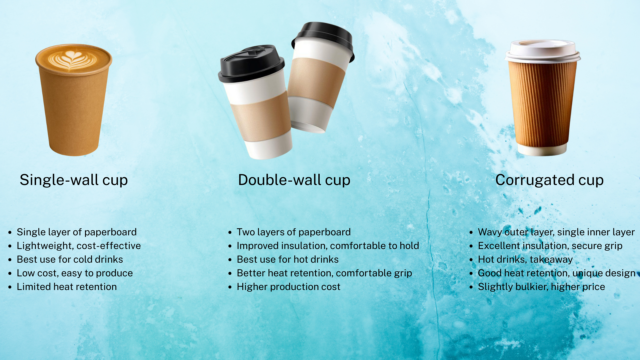
Paper cups come in various types, each designed for specific features and uses. To help you choose the right cup, we’ve categorized the main types and summarized their key characteristics and applications.

Step-by-Step Paper Cup Manufacturing Process

Creating paper cups requires precision at every stage to ensure safety, quality, and functionality. From sourcing sustainable raw materials to shaping the final product, each step matters.

1. Selecting Paperboard

Paperboard, typically made from wood pulp, must meet strict food-contact standards. Thickness usually ranges from 0.3–0.5 mm to provide sufficient strength for hot or cold drinks. Essential properties include rigidity, stiffness, and heat insulation.

Weight, measured in GSM (grams per square meter), is a critical factor:

  • Cold drinks: 170–210 GSM
  • Hot drinks: 230–300 GSM for heat insulation
  • Ice cream cups: up to 350 GSM to prevent softening

Choosing the right GSM ensures a balance between durability and material cost.

2. Coating Material

While traditional polyethylene (PE) coatings are common, many manufacturers are switching to biodegradable options like PLA (polylactic acid), a plant-based polymer. PLA offers both compostability and strong water resistance.

3. Additional Materials
  • Food-safe inks are used for printing.
  • Cup seams are bonded with hot-melt or water-based adhesives.
  • Cup bases match the sidewall material.
  • Finished cups are packaged using food-grade materials.
Preparing the Paperboard

Large rolls of paperboard are cut to precise sizes using high-speed slitting machines to ensure correct widths for printing and shaping. Pre-pressing improves flatness and consistency.

Before entering the production line, the paperboard undergoes testing for:

  • Thickness
  • Flatness
  • Surface smoothness
  • Dimensional accuracy
  • Structural strength

These steps guarantee efficiency and consistent cup quality.

Applying the Coating

Paperboard passes through specialized equipment where a thin layer (10–20 microns) of PE or PLA is applied for moisture resistance. Technicians ensure uniform coating, strong adhesion, and compliance with safety standards. After coating, the board cures to form a stable bond for further processing.

Printing

Brand logos, colors, and designs are applied using flexographic or offset printing for vivid colors and sharp detail. Accurate alignment is critical to prevent misprints and maintain a professional appearance.

Cutting the Cup Blanks

Printed sheets are cut into two main components:

  • Sidewall blanks (fan-shaped)
  • Circular bases

Precision cutting ensures clean edges, proper sealing, and structural stability. Waste management is carefully monitored to minimize material loss and environmental impact.

Forming the Cup

Cup blanks enter forming machines where:

  • Sidewalls are sealed using heat or ultrasonic welding to create leak-proof seams.
  • Bottoms are inserted and sealed with heat, pressure, and forming rings for a tight, stable joint.

Precision is vital to prevent leaks and maintain structural integrity.

Rim Rolling

The top edge is rolled into a smooth, rounded rim to:

  • Reinforce structural strength
  • Enhance user comfort
  • Ensure a secure fit for lids

Even, precise rim rolling ensures both function and aesthetics.

Bottom Sealing (Knurling)

Bottom sealing uses heat or ultrasonic welding. The knurling process creates a dense, ripple-like structure, forming a leak-proof joint. Accuracy here ensures durability and reliability.

Quality Control and Packaging

Quality checks include:

  • Leak tests
  • Print alignment
  • Sidewall and bottom strength tests

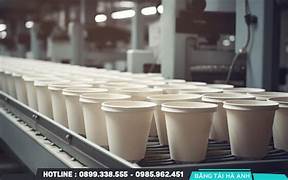
Automated systems detect defects, supplemented by manual inspections. Cups are then hygienically packed—often by automated machinery—to ensure cleanliness during transport and storage.

Frequently Asked Questions

What are the primary costs associated with producing paper cups?
Several factors contribute to the total cost of paper cup manufacturing, including raw materials, energy usage, labor, and machine maintenance. The biggest expense typically comes from purchasing base paper and the necessary coatings. Choosing eco-friendly options like PLA may raise costs, but it enhances overall market appeal. Production scale also matters — larger factories usually achieve lower costs per unit, while smaller operations often face higher expenses. Energy and labor play significant roles in determining final pricing due to the industry’s dependence on power-intensive equipment and manual work. Maintaining machinery, especially high-precision models, adds another layer of cost. Long-term investments in automation and energy-efficient technology can help reduce future spending while boosting output.

In what ways can paper cups become more environmentally friendly?
To improve the sustainability of disposable paper cups, manufacturers must follow strict regulatory guidelines. All food-contact materials need to meet safety standards set by organizations such as the FDA or EFSA. Environmental regulations also require companies to conduct impact assessments (EIA) to reduce ecological harm. Using FSC-certified paper ensures that the material comes from responsibly managed forests. Packaging and waste-handling practices should be designed to comply with recycling and composting standards, helping biodegradable materials be reused without placing unnecessary pressure on natural resources.

What regulations and standards apply to paper cup production?
Paper cup manufacturers are expected to adhere to a wide range of safety and environmental regulations. Food-contact materials must meet stringent safety requirements defined by bodies like the FDA or EFSA, ensuring they’re suitable for direct use. Companies must also perform environmental impact assessments to help minimize ecological disruption. FSC certification verifies that the paper used is sourced from sustainably managed forests. Compliance with packaging and waste-management laws further supports recyclability and demonstrates environmental responsibility. These standards help businesses stay legally compliant while maintaining a competitive edge.

How are paper cups disposed of or recycled?
Disposal and recycling of paper cups can be difficult because the plastic lining that provides water resistance complicates processing. Specialized recycling facilities are needed to separate the plastic layer from the paper fiber. In regions equipped with such technology, paper cups can be recycled effectively. Cups made from biodegradable materials like PLA are designed to break down in industrial composting environments, offering a greener disposal solution. To minimize environmental impact, it’s important to choose cup types that align with the waste-management systems available in your area.

💬 Get in Touch
     If you’re interested in our products or want to learn more about sustainable wooden packaging, feel free to reach out! I’ll be happy to assist you with any inquiries.

Ms. Quinn – Sales Executive
📧 Email: contact@kego.com.vn
📞 Mobile: (+84) 986 615 346

KEGO COMPANY LIMITED
🏢 Room 603, Kim Anh Building, Lane 78, Duy Tan Street, Cau Giay District, Hanoi, Vietnam
☎ Office: (+84 24) 3222 2333 | Fax: (+84 24) 3782 1616
🌐 www.kego.com.vn


Thiet-ke-chua-co-ten-1280x720.png

27 November, 2025
Overview

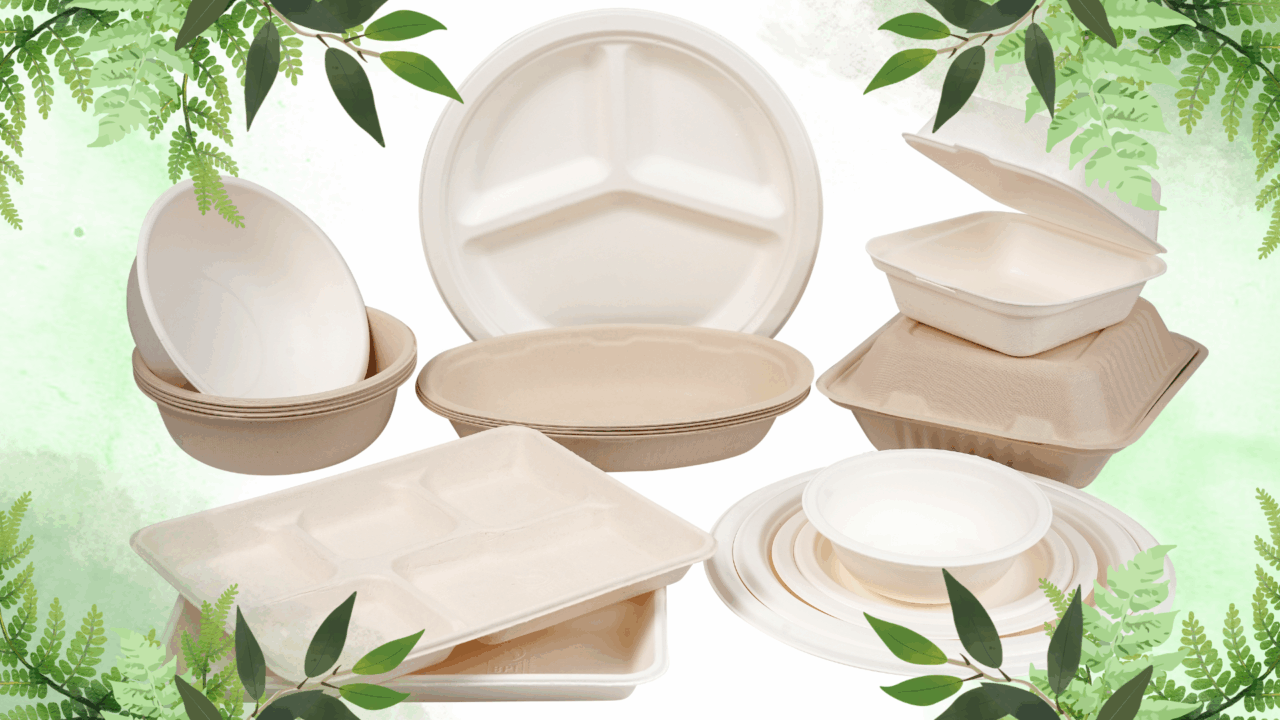
As global demand for eco-friendly packaging continues to rise, bagasse—the fibrous by-product of sugarcane processing—has quickly become one of the most important alternatives to plastic, foam, and traditional paper-based materials. Once treated as a low-value waste product, sugarcane bagasse is now a key raw material driving the shift toward sustainable, compostable food packaging.

This article explores the science behind bagasse, its global supply chain, and how it is transformed into high-performance food packaging products.

What Is Bagasse?

Bagasse is the dry, pulpy residue left after sugarcane stalks are crushed to extract juice. 

Chemical Composition of Bagasse

Scientifically, bagasse is composed of:

  • 40–60% cellulose (strength and rigidity)
  • 20–30% hemicellulose (flexibility and bonding)
  • ~20% lignin (natural binder and heat resistance)

This unique combination allows bagasse to be molded into durable, smooth, and food-safe packaging without the need for synthetic binders or chemical reinforcements. Cellulose provides strength, hemicellulose contributes flexibility, and lignin acts as a natural binder—reducing the need for artificial glues or chemical reinforcements.

Bagasse is mostly found in countries which are producing large quantities of sugar, for example, Brazil, Vietnam, China, or Thailand. These nations produce millions of tons of bagasse annually, providing a stable, affordable raw material supply for manufacturers of sustainable food packaging.

Why Bagasse Is Ideal for Food Packaging

The rapid growth of bagasse packaging is driven by its functional and environmental advantages:

1. Heat & Oil Resistance

Bagasse can withstand temperatures up to 120°C, making it ideal for hot meals, soups, and oily foods.

2. Strong Yet Lightweight

High cellulose content provides strength without added weight.

3. Fully Compostable

Bagasse naturally decomposes within 45–90 days, depending on composting conditions—far faster than plastic or Styrofoam.

4. Zero Deforestation

Because bagasse is a sugarcane by-product, it does not require cutting trees and helps upcycle agricultural waste.

How Bagasse Food Packaging Is Made (Step-by-Step)

Transforming sugarcane residue into food-grade packaging requires a combination of pulping, molding, and precision engineering. Below is the full production workflow:

1. Collection

Bagasse is collected directly from sugar mills after juice extraction.

2. Cleaning & Depithing

Raw bagasse contains long fibers and soft pith (~30%).
Depithing removes impurities and improves: product strength, surface smoothness, pulp quality and reduced chemical usage

3. Pulping

Fibers are processed using mechanical, chemical, or chemi-mechanical pulping to create a uniform pulp slurry.

4. Refining

The pulp is refined to optimize fiber length, bonding quality, and texture.

5. Thermoforming (Molding)

The pulp mixture is poured into precision molds shaped like: plate, bowl, tray, clamshell box,…

High heat (160–200°C) and pressure shape the final product.

6. Drying & Hot-Press Finishing

A second hot-press step enhances: structural rigidity, smoothness
, water and oil resistance and dimensional accuracy

7. Trimming & Quality Control

Edges are trimmed, and products undergo: strength testing, leakage and oil resistance tests, hygiene inspections

8. Sterilization & Packaging

Finished items are UV-sterilized and packed in hygienic cartons for distribution to restaurants, retailers, and food service industries.

Conclusion

Bagasse is more than an eco-friendly alternative—it is a scientifically proven, economically scalable, and environmentally responsible material for the future of sustainable food packaging. With strong global supply, excellent material properties, and increasing consumer demand for green products, bagasse will continue to lead the shift toward a circular, low-waste packaging economy.

If your business is exploring natural, compostable, and high-performance packaging solutions, bagasse is one of the most powerful options available today.

💬 Get in Touch
     If you’re interested in our products or want to learn more about sustainable wooden packaging, feel free to reach out! I’ll be happy to assist you with any inquiries

Ms. Quinn – Sales Executive
📧 Email: contact@kego.com.vn
📞 Mobile: (+84) 986 615 346

KEGO COMPANY LIMITED
🏢 Room 603, Kim Anh Building, Lane 78, Duy Tan Street, Cau Giay District, Hanoi, Vietnam
☎ Office: (+84 24) 3222 2333 | Fax: (+84 24) 3782 1616
🌐 www.kego.com.vn

z7142967714853_329fd4aff7ff80468608f51abe05b8ac.jpg

11 November, 2025
Sustainable Solutions for Every Dining Experience

As the world embraces a greener lifestyle, disposable wooden cutlery has become a smart alternative to single-use plastic. Beyond its practical purpose, it represents a conscious shift toward sustainability, combining natural beauty, convenience, and environmental responsibility.

Below are some of the most common — and creative — ways wooden cutlery is making a difference across industries.

1. Cafés and Coffee Shops

For cafés offering takeaway drinks and snacks, disposable wooden cutlery provides a natural and aesthetic touch. Whether it’s a small wooden spoon for ice cream or a fork for a salad bowl, these utensils elevate the brand image while aligning with eco-conscious values.

2. Restaurants and Takeaway Services

Fast-casual restaurants and takeaway brands are shifting from plastic to wood to comply with environmental regulations and meet customer expectations. Wooden spoons, forks, and knives are durable enough for any meal — from pasta to steak — and can be easily composted after use.

3. Catering and Events

Event organizers and catering companies are increasingly choosing disposable wooden cutlery for weddings, outdoor events, and festivals. It’s a simple yet elegant way to reduce plastic waste while maintaining a premium presentation.

4. Airlines and Travel Catering

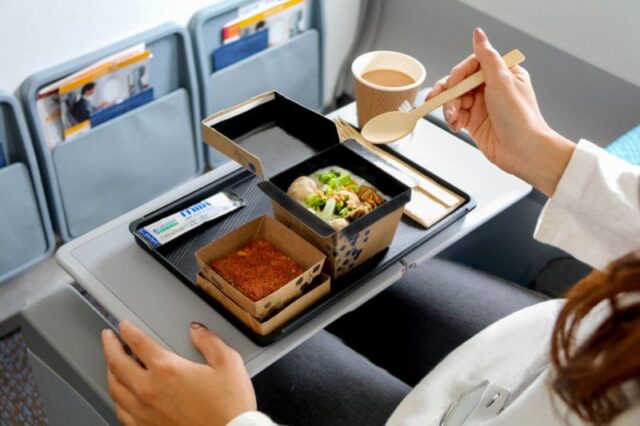
Airlines and travel catering companies are adopting disposable wooden cutlery as part of their sustainability commitments. Lightweight, compact, and eco-friendly, wooden utensils help reduce single-use plastic waste without compromising convenience.

5. Retail and Eco Stores

Retailers, especially those focusing on green living and zero-waste products, are offering disposable wooden cutlery sets for personal or home use. They’re ideal for picnics, parties, and lunch boxes — perfect for consumers who care about both design and the environment.

6. Corporate Sustainability Programs

Many companies are introducing disposable wooden cutlery in their cafeterias or corporate events as part of their ESG (Environmental, Social, and Governance) goals. It’s a small but meaningful step toward greener operations and a strong sustainability message.

Conclusion

From daily dining to large-scale events, disposable wooden cutlery proves that sustainability can be both beautiful and practical. Choosing wooden utensils isn’t just a trend — it’s a statement. It’s about showing respect for nature, embracing innovation, and shaping a greener tomorrow.

Choose wood. Choose sustainability. Choose a better future, one meal at a time.

💬 Get in Touch

 If you’re interested in our products or want to learn more about sustainable wooden packaging, feel free to reach out! I’ll be happy to assist you with any inquiries.

Ms. Quinn – Sales Executive
📧 Email: contact@kego.com.vn
📞 Mobile: (+84) 986 615 346

KEGO COMPANY LIMITED
🏢 Room 603, Kim Anh Building, Lane 78, Duy Tan Street, Cau Giay District, Hanoi, Vietnam
☎ Office: (+84 24) 3222 2333 | Fax: (+84 24) 3782 1616
🌐 www.kego.com.vn

Anh-dang-web-Kego-1280x720.png

2 January, 2024

In today’s environmentally conscious world, disposable cutlery has become a concern. Traditional plastic cutlery is known for having a negative environmental impact, taking hundreds of years to decompose and contributing to pollution and waste. As a result, many people are turning to eco-friendly alternatives. In this article, we will explore five materials used to produce disposable tableware.


Disposable-cutlery-set-A-beneficial-choice-for-restaurants-1280x720.png

26 December, 2023

Starting out as a great support for take-away or buffet services, disposable cutlery is becoming increasingly important in professional hotel and catering industries, such as bars and restaurants. Although traditional tableware is still considered as the greatest option for providing design and user experience, there are several advantages of using disposable, cutlery that restaurants should look at